The Most Important Maintenance You've Never Thought About
The timing belt is one of those components that works silently and reliably, until it doesn't. And when it fails, the consequences can be catastrophic. The timing belt synchronizes the rotation of the crankshaft and camshaft, ensuring that your engine's valves open and close at precisely the right time. Without this synchronization, your engine simply cannot run.
Not all vehicles have timing belts. Many newer engines use timing chains, which are typically designed to last the life of the engine. But if your vehicle has a rubber timing belt, it has a finite lifespan and must be replaced on schedule.
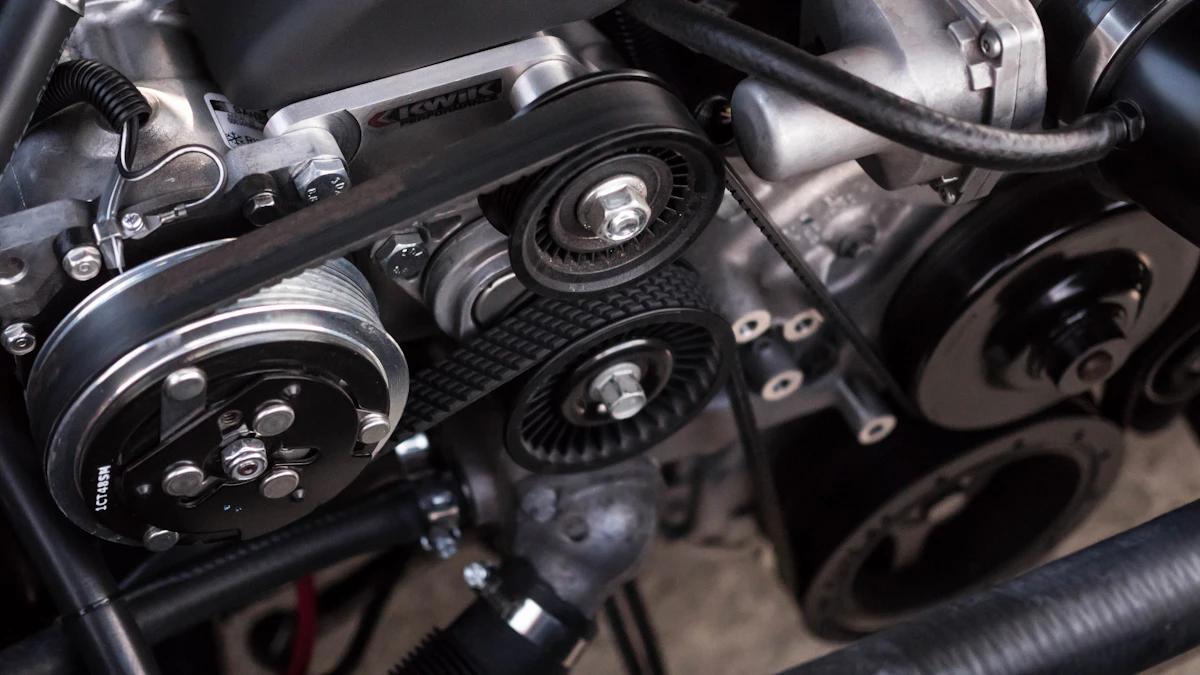
Interference vs. Non-Interference Engines
This is the critical distinction that determines what happens when a timing belt breaks:
Interference Engines
In an interference engine, the valves and pistons occupy the same space in the cylinder at different times. If the timing belt breaks, the pistons and valves collide, bending valves, damaging pistons, and potentially cracking the cylinder head. The engine goes from running fine to needing $3,000-$6,000 in repairs, or a complete replacement, in an instant.
Many popular vehicles use interference engines, including most Honda, Toyota, Subaru, Volkswagen, and Audi models with timing belts.
Non-Interference Engines
In a non-interference engine, the valves and pistons don't occupy the same space. If the belt breaks, the engine stops but usually isn't damaged. You'll need a tow and a new timing belt, but you won't face catastrophic engine damage. These engines are less common in modern vehicles.
When to Replace Your Timing Belt
Manufacturer recommendations vary, but most timing belts should be replaced between 60,000 and 100,000 miles or every 7-10 years, whichever comes first. The age factor is important. Rubber degrades over time regardless of mileage. Common intervals include:
- Honda/Acura: 60,000-105,000 miles depending on model and year
- Toyota/Lexus: 60,000-90,000 miles
- Subaru: 105,000 miles (most models)
- Volkswagen/Audi: 80,000-120,000 miles depending on engine
- Hyundai/Kia: 60,000-90,000 miles
Always check your owner's manual for the specific interval for your vehicle.
Warning Signs of a Worn Timing Belt
Unfortunately, timing belts often give very little warning before they fail. However, some signs that your belt may be nearing the end of its life include:
- Ticking noise from the engine: A worn belt can create a ticking or clicking sound
- Engine won't turn over: If the belt has already broken, the engine won't start at all
- Oil leaking from the front of the engine: The timing belt cover can develop leaks that allow oil to reach the belt, accelerating its deterioration
- Rough idling or misfires: A stretched belt can cause timing to be slightly off, leading to rough running
What Gets Replaced Along with the Timing Belt
Because the timing belt job involves significant labor to access the belt, most shops recommend replacing related components at the same time to avoid paying for the same labor twice later:
- Water pump: Often driven by the timing belt, it makes sense to replace it simultaneously
- Tensioner and idler pulleys: These keep the belt properly tensioned and can fail with age
- Front engine seals: Camshaft and crankshaft seals are accessible during the job and prone to leaking
While this increases the upfront cost, it's far more economical than doing these jobs separately, as each one requires the same extensive disassembly.
Is Your Timing Belt Due?
Not sure if your vehicle has a timing belt or when it was last replaced? We'll check your records and advise you on the right schedule.