Don't Panic, But Don't Ignore It Either
The check engine light (CEL) is one of the most common reasons people bring their cars into the shop. According to CarMD's annual Vehicle Health Index, roughly 10% of all cars on the road have a check engine light illuminated at any given time. While it's rarely an emergency, ignoring it can lead to more expensive repairs and failed emissions inspections.
Here are the five most common causes we see at Onsite Automotive Services, based on our 20 years of diagnostic experience in Stoneham.
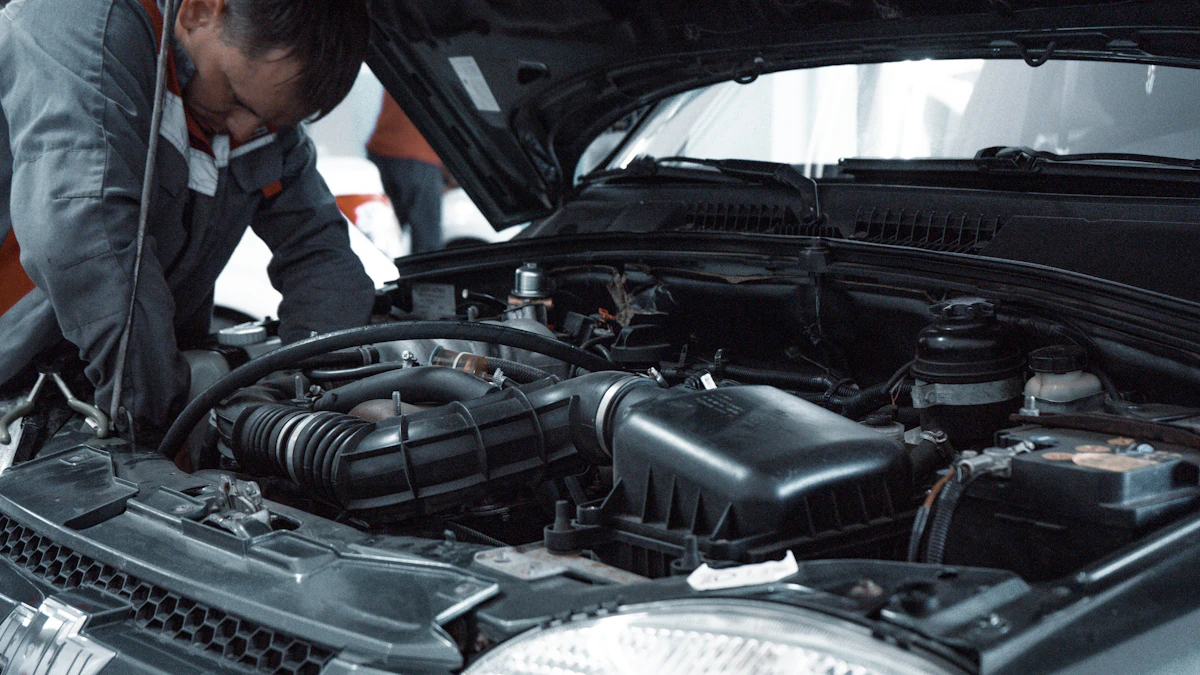
1. Oxygen Sensor Failure
The oxygen sensor (O2 sensor) measures unburned oxygen in your exhaust system. Your car can have two to four of these sensors. When one fails, it sends incorrect data to your engine's computer, leading to poor fuel economy and increased emissions.
The cost of ignoring it: A faulty O2 sensor can reduce fuel economy by up to 40% and can damage your catalytic converter over time, turning a $200-$300 sensor replacement into a $1,000+ catalytic converter job.
2. Loose or Damaged Gas Cap
It sounds too simple to be true, but a loose, cracked, or missing gas cap is one of the most common check engine light triggers. The gas cap seals your fuel system and helps maintain pressure in the fuel tank. When the seal is broken, fuel vapor escapes and the evaporative emissions system (EVAP) detects the leak.
The fix: Tighten your gas cap until it clicks. If the light doesn't turn off after a few driving cycles, the cap may need replacement, usually under $20.
3. Catalytic Converter Problems
Your catalytic converter converts harmful carbon monoxide into carbon dioxide. When it fails, you'll notice reduced performance and poor fuel economy. Catalytic converter failure is often caused by neglecting other problems, like a bad oxygen sensor or engine misfires, that cause the converter to overheat and degrade.
The cost: Catalytic converter replacement typically runs $1,000-$2,500 including labor. This is why addressing smaller problems early is so important.
4. Mass Airflow Sensor (MAF) Failure
The mass airflow sensor measures how much air enters your engine and determines how much fuel to inject. When it fails or gets dirty, your engine runs too rich or too lean, causing rough idling, stalling, and reduced fuel efficiency.
Prevention tip: Replacing your air filter at recommended intervals helps protect the MAF sensor. A $20 air filter can prevent a $300-$400 MAF sensor replacement.
5. Spark Plug or Ignition Coil Issues
Worn spark plugs or failing ignition coils cause engine misfires, which immediately trigger the check engine light. You may also notice rough running, hesitation during acceleration, or poor fuel economy. Modern spark plugs last 60,000-100,000 miles depending on the type, but they don't last forever.
Why it matters: Continued driving with misfires can damage your catalytic converter and lead to more expensive repairs. Spark plug replacement typically costs $150-$300 for a four-cylinder engine.
What to Do When Your Check Engine Light Comes On
- Steady light: Schedule a diagnostic appointment soon, but it's generally safe to drive in the meantime
- Flashing light: This indicates a severe misfire. Reduce speed and get to a shop as soon as possible to prevent catalytic converter damage
- Check your gas cap first: Tighten it and see if the light goes off after a few drives
- Don't clear the code yourself: While an OBD-II scanner can clear the light, the underlying problem remains. A proper diagnosis identifies the root cause
Check Engine Light On?
Our advanced diagnostic equipment can quickly identify the problem. We'll explain what we find and recommend only the repairs you need.